


Can AI Meet Emotional Needs or Increase Isolation?

You might find yourself turning to AI when something feels hard.
To sort through a thought.
To calm down.
To feel a little less alone in the moment.
And sometimes, it genuinely helps.
You feel understood. You get clarity. You feel a bit more grounded.
But then there can be another question underneath it all:
“Is this actually meeting my needs… or pulling me further away from people?”
The honest answer is not one or the other.
It is both, depending on how it is used and what you are needing.
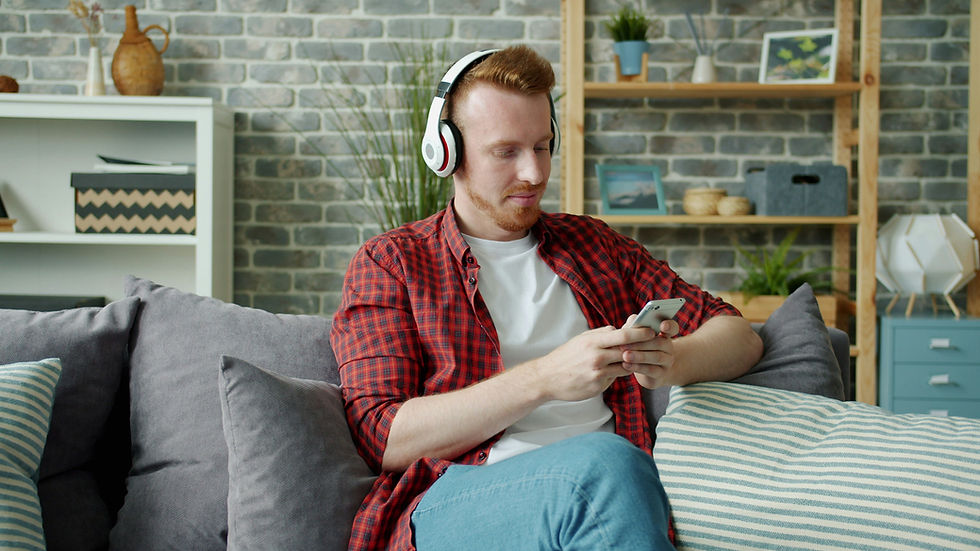
AI Can Meet Some Emotional Needs
There are real ways AI can be supportive.
It can offer:
Immediate responsiveness when you feel overwhelmed
Non judgmental space to express what you are thinking
Language and structure when your thoughts feel messy
A sense of being heard, even if briefly
For many people, this can reduce distress in the moment.
It can feel like:
“I’m not completely alone with this right now”
And that matters.
It Can Be a Bridge, Not Just a Substitute
For some, AI becomes a starting point.
A place to:
Put words to something difficult
Practice saying what you feel
Understand your reactions
From there, it can feel easier to bring those thoughts into a conversation with someone else.
In this way, AI can actually support connection.
Not replace it.
But It Cannot Fully Meet Relational Needs
There are parts of emotional experience that require another person.
Not just a response, but a relationship.
Things like:
Being known over time
Feeling someone respond to you in real time
Mutual awareness and shared experience
Emotional presence that is felt, not just described
AI can simulate aspects of this.
But it cannot fully provide it.
Your nervous system can sense that difference.
Why It Can Increase Isolation Over Time
The risk is not that AI is harmful on its own.
It is that it can quietly replace moments of human connection.
You might notice:
Choosing AI when reaching out feels harder
Sharing less with people over time
Feeling more comfortable expressing yourself in private than with others
Getting used to connection without vulnerability
Over time, that can deepen a sense of disconnection.
Not because you are doing something wrong.
But because your relational needs are only being partially met.
It Feels Safer for a Reason
If you find yourself relying on AI, it is worth understanding why.
It might feel safer because:
There is no risk of rejection
You do not have to manage someone else’s reactions
You can stay in control of the interaction
You can leave at any time
If connection has felt complicated, unpredictable, or painful, this makes sense.
Your system is choosing what feels manageable.
Emotional Needs Are Layered
Not all emotional needs are the same.
Some can be supported by AI:
Clarity
Reflection
Immediate reassurance
Others require people:
Belonging
Mutual care
Being seen and responded to over time
Shared emotional experience
When those deeper needs are not met, loneliness can persist even if you are “talking” regularly.
Signs It Might Be Increasing Isolation
This can be subtle.
You might notice:
Feeling supported in the moment, but still lonely afterward
Reaching out to people less often
Feeling more hesitant to share with others
Relying on AI to regulate emotions most of the time
These are not signs of failure.
They are signals worth paying attention to.
Finding a Balance That Supports You
You do not have to stop using AI.
But it helps to be intentional.
1. Let AI Support Reflection, Not Replace Connection
Use it to organize your thoughts.
Then consider sharing some of that with a person you trust.
2. Notice What You Are Needing
Ask yourself:
“Do I need clarity right now… or connection?”
The answer might guide where you turn.
3. Start With Low Pressure Human Contact
Connection does not have to be deep to matter.
Small interactions still support your nervous system.
4. Pay Attention to the After Feeling
Do you feel more settled and connected?Or still alone?
That difference is important.
Therapy Can Help Bridge This Gap
If connection feels difficult, therapy offers a middle space.
It is:
Consistent
Boundaried
Non judgmental
Focused on your experience
It can help you rebuild a sense of safety in being known by another person.
At your own pace.
Your Body and Environment Still Matter
Isolation and emotional needs are also shaped by your overall state.
If you are:
Burnt out
Overstimulated
Low on energy
Connection can feel harder to access.
Our dietitian or nurse practitioner can support those pieces alongside therapy, so your system feels more resourced.
A More Honest Way to Understand This
Instead of asking:
“Is this good or bad for me?”
You might try:
“What need is this meeting?”
“And what need might still be unmet?”
That gives you a clearer picture.
You Do Not Have to Choose One or the Other
AI can be part of your support system.
And so can people.
The goal is not to eliminate one.
It is to make sure your deeper needs are not being left out.
You Can Be Supported in This
If you are navigating loneliness, connection, or how AI fits into your life, you are not alone.
You are welcome to book a free 15 minute consultation. It is a space to explore support that feels both helpful and genuinely connecting.


